NEO HLS CEFR

Why the Certificate Your Employees Earn Matters — And Why Most Don’t

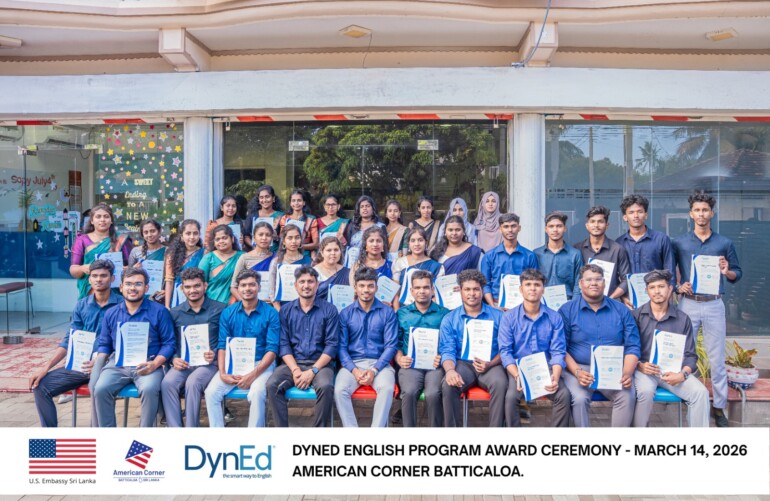
When a corporate English training programme ends in Sri Lanka, most employees walk away with a certificate. But not all certificates are equal. There is a significant difference between a document that proves someone attended a course and one that proves their English proficiency has reached a measurable, internationally recognised standard. That difference matters — to your employees, to your organisation, and to every employer or institution they will ever deal with.

The Problem with Most Training Certificates
The majority of English training certificates issued in Sri Lanka are participation certificates. They confirm that an employee attended a programme for a certain number of hours. They say nothing about whether that employee’s English actually improved, by how much, or to what standard.

For an HR manager trying to justify training spend, a participation certificate is not evidence of ROI. It is evidence that the sessions happened. For an employee, it carries little weight with a future employer or a global institution because there is no universal standard behind it — no way for anyone outside your organisation to understand what it actually represents.

This is the gap that CEFR certification closes.

Read more

Why HLS?

English Training Solutions in Sri Lanka That Actually Deliver Results

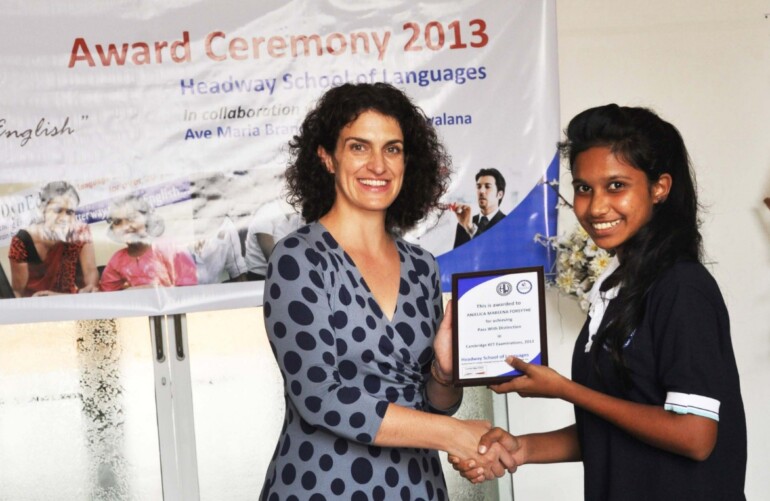
Headway Learning Solutions (HLS) is Sri Lanka’s most experienced English language training and assessment provider. For over 25 years, HLS has delivered CEFR-aligned English programmes to corporates, schools, universities, and government institutions across Sri Lanka and the Maldives. Powered by DynEd NEO and backed by FluentiQ — HLS’s own assessment suite — every solution is built to deliver results that are measurable, not just promised. Below is a clear overview of what HLS does, who each service is designed for, and how to find the right solution for your organisation.    

Read more

DynEd HLS

Guide to AI-Powered English Language Labs: Science, Data, and Results

What is an English Language Lab? A Simple Guide for Schools and Universities in Sri Lanka

Introduction
Does your school or university want to improve students’ English — but traditional classroom teaching is not giving you the results you need?
You are not alone. Many education leaders across Sri Lanka are asking the same question — and more of them are finding the answer in a modern English Language Lab. This guide explains what an English Language Lab is, how the latest software works, and what to look for when choosing the right solution for your institution.

What is an English Language Lab?
An English Language Lab is a technology-based system that helps students learn English faster and more effectively than a traditional classroom alone. In the past, a language lab meant a room full of booths, headphones, and tape players where students listened and repeated. That model is now outdated.

Today, a modern English Language Lab is a software-based learning system. Students use a computer or a mobile app to practise English — listening, speaking, reading, and building vocabulary — at their own pace. The software tracks their progress automatically and adjusts to their individual level.
For school and university administrators, this means one important thing — every student gets the right level of practice, every time, with measurable results you can report to your board or management. The demand for strong English skills among Sri Lankan students has never been higher. Universities require it for graduation. Employers require it for jobs. Foreign employment requires it for visa applications.

Read more

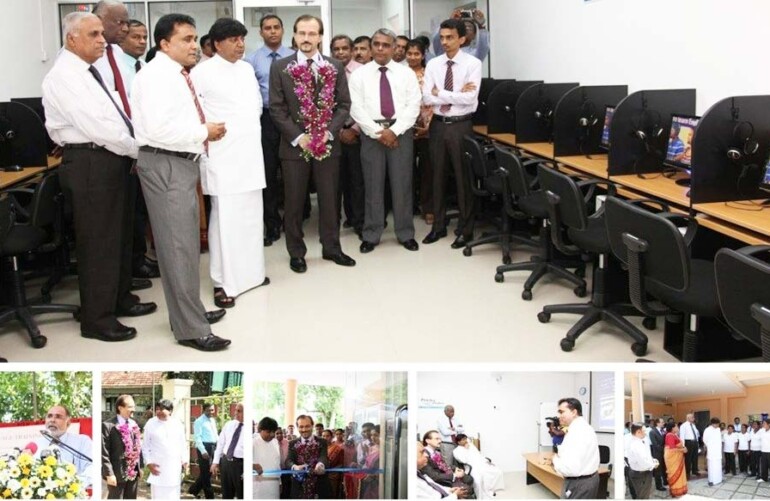
Inauguration of Multimedia Language Training Center at Rathmalana

Empowering Migrant Workers: HLS, IOM, and SLBFE Launch New English Language Lab

A National Challenge — and a National Solution
Every year, thousands of Sri Lankan men and women leave their families to work abroad. They go to the Middle East, Singapore, Hong Kong, South Korea, and beyond — in search of better incomes and better lives. But many of them face a serious challenge before they even arrive at their destination. They do not have the English skills their employer expects. This puts them at risk — of misunderstanding instructions, of being passed over for better roles, and in some cases, of workplace exploitation.

In 2013, three organisations came together to address this challenge directly.
The Sri Lanka Bureau of Foreign Employment (SLBFE), the International Organization for Migration (IOM), and HLS — Headway Learning Solutions — partnered to launch Sri Lanka’s largest Multimedia English Language Training Centre at Rathmalana. This was not simply the opening of a new classroom. It was the deployment of a proven, technology-based English Language Lab solution to a real national challenge — helping Sri Lankan workers become job-ready before they stepped on the plane.

Read more

Mastering Global English Skills: The Impact of Headway & NAITA

A New Chapter for Vocational Training in Sri Lanka
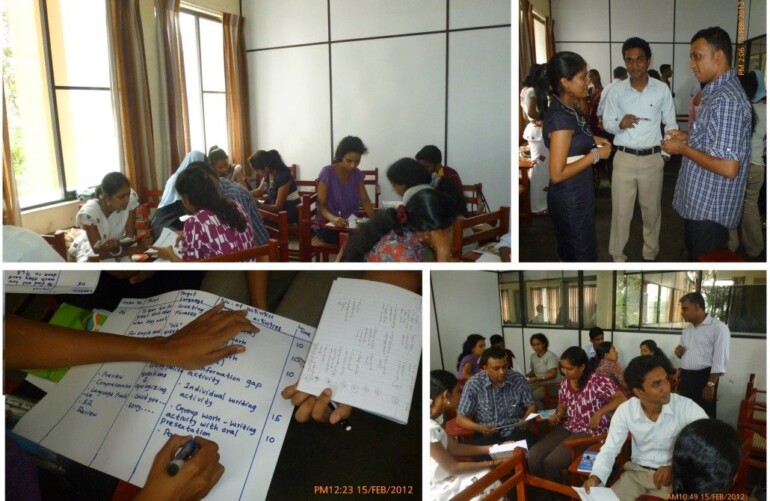
In a landmark move for the vocational sector, Headway Learning Solutions (HLS) has officially partnered with the National Apprentice and Industrial Training Authority (NAITA). This ambitious two-year project aims to integrate world-class English language training into the national vocational curriculum.

By joining forces with NAITA, the country’s leading vocational body, HLS is filling a critical gap. Specifically, we are providing trainees with the communication skills necessary to complement their technical expertise. This synergy ensures that Sri Lankan apprentices are not only technically proficient but also globally employable.

Read more